
Tax Benefits of Green Energy Home Improvements (2026 Guide)
As utility costs continue to climb and environmental awareness grows, more homeowners are seeking ways to make their properties energy-efficient. Upgrading your home can definitely lower your monthly electricity bills and improve your overall comfort. However, an often-overlooked advantage is the significant financial relief available during tax season. If you are a homeowner considering upgrades this year, understanding the tax benefits of green energy home improvements is absolutely essential to maximizing your return on investment.
The federal government provides highly lucrative incentives designed specifically to encourage Americans to adopt cleaner, more sustainable energy practices. Whether you are installing a state-of-the-art solar panel array on your roof or simply upgrading your drafty exterior doors, there are multiple avenues to reduce your tax liability. This comprehensive guide will explain the exact credits available in 2026, detail which specific home improvements qualify, and help you navigate the process of claiming these valuable deductions.
The Residential Clean Energy Credit
One of the most substantial financial incentives available to homeowners today is the Residential Clean Energy Credit. This powerful tax credit allows you to subtract a significant percentage of the cost of installing qualifying renewable energy equipment directly from the federal taxes you owe. Unlike a standard deduction, which merely lowers your taxable income, a tax credit directly reduces your tax bill on a dollar-for-dollar basis. Learn more at the official Energy Star site.
For installations completed between 2022 and 2032, the Residential Clean Energy Credit remains robust at a generous 30% of the total project cost. This percentage is currently scheduled to decrease incrementally in the years following 2032, so taking advantage of the full 30% rate now is highly advisable. Furthermore, there is no upper limit or maximum cap on the amount you can claim for this specific credit, making it incredibly valuable for large-scale, expensive projects like comprehensive solar installations.
What Projects Qualify for the Clean Energy Credit?
To qualify for this lucrative 30% credit, the equipment must meet specific government standards and be installed in your primary residence (or sometimes a secondary home) located within the United States. Qualifying projects typically include:
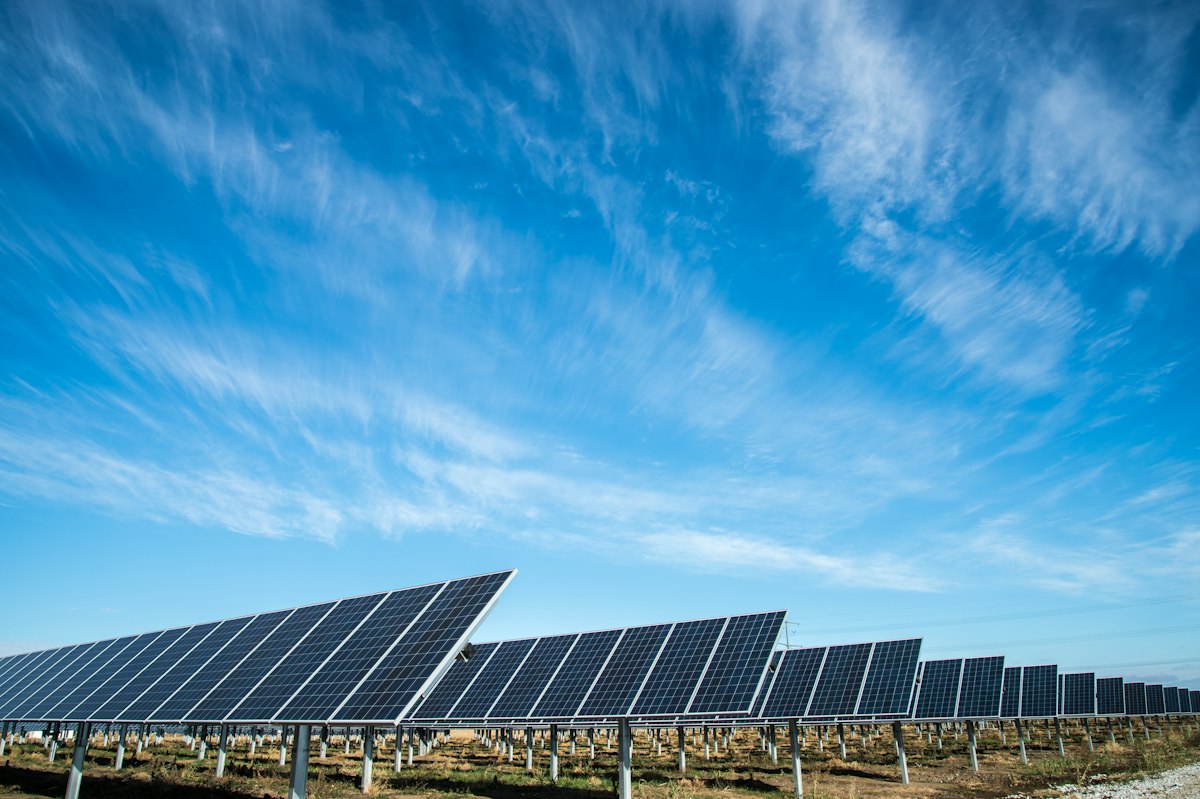
- Solar Electric Panels: Both the physical photovoltaic panels and the required installation labor are fully covered under this credit.
- Solar Water Heaters: Systems used to heat water for your home (excluding swimming pools or hot tubs) qualify, provided they are certified by the Solar Rating Certification Corporation.
- Wind Turbines: Small wind turbines used exclusively for residential power generation are completely eligible.
- Geothermal Heat Pumps: These highly efficient systems must meet Energy Star requirements in effect at the time of installation.
- Battery Storage Technology: Standalone battery storage systems with a capacity of at least 3 kilowatt-hours (kWh) are also eligible for the 30% credit.
The Energy Efficient Home Improvement Credit
While the Residential Clean Energy Credit focuses primarily on power generation, the Energy Efficient Home Improvement Credit is designed to reward homeowners who make their existing properties more energy-efficient. This credit is perfect for individuals looking to upgrade their home's insulation, install better windows, or replace outdated, inefficient heating and cooling systems.
Previously known under a different name with lower limits, this specific credit was significantly expanded recently. Currently, homeowners can claim up to 30% of the cost of qualifying energy-efficient improvements. However, unlike the Clean Energy Credit, this benefit does have strict annual maximum limits. Generally, you can claim a maximum credit of $1,200 per year for most qualifying improvements, although specific items have their own distinct caps.
Caps on Specific Home Improvements
When planning your home upgrades, it is crucial to understand the individual limits associated with the Energy Efficient Home Improvement Credit. Knowing these caps can help you strategically spread out your projects over multiple years to maximize your total tax savings. The specific limits include:
- Exterior Doors: You can claim up to $250 per qualifying energy-efficient door, with an absolute maximum of $500 total for all doors per year.
- Windows and Skylights: The credit covers up to a maximum of $600 annually for the installation of energy-efficient windows and skylights.
- Insulation and Air Sealing: You can claim up to $1,200 per year for materials designed to reduce heat loss or gain, such as proper attic insulation or professional weatherstripping.
- Home Energy Audits: The credit allows you to claim up to $150 for a comprehensive home energy audit conducted by a certified inspector.
Notably, there is a special, higher annual limit specifically for heat pumps, heat pump water heaters, and biomass stoves. You can claim a credit of up to $2,000 per year for these highly efficient heating and cooling systems, bringing your potential total annual credit up to $3,200 if you combine it with other smaller improvements.
Strategic Planning for Homebuyers
If you are currently in the market for a new property, keeping the tax benefits of green energy home improvements in mind can heavily influence your purchasing decisions. Buying an older home that desperately needs major upgrades might initially seem daunting, but knowing that the government will essentially subsidize 30% of your energy-efficient renovations can make a "fixer-upper" a much more financially attractive option.
When evaluating potential properties, consider paying for a comprehensive home energy audit during the inspection period. This will provide you with a clear, prioritized list of necessary upgrades, allowing you to accurately estimate your future costs and corresponding tax credits. For more foundational advice on navigating the current real estate market, be sure to read our comprehensive First-Time Homebuyer's Mortgage Guide, which covers everything from securing financing to surviving the closing process.
How to Claim Your Tax Credits
Claiming these lucrative green energy credits requires careful documentation and accurate tax filing. First, you must ensure that all the products and equipment you purchase strictly meet the required Department of Energy or Energy Star efficiency standards. Always request a formal Manufacturer's Certification Statement from the retailer or contractor, as this document explicitly verifies that the product qualifies for the federal tax credit.
When it is time to file your annual return, you will need to utilize IRS Form 5695 (Residential Energy Credits). This specific form helps you calculate the exact amount of your credit based on your total eligible expenses. Keep all related receipts, invoices, and certification statements securely filed with your tax records in case the IRS ever requests verification.
Properly leveraging these credits can dramatically increase your total tax refund or significantly reduce the amount you owe. If you are looking for even more ways to optimize your upcoming tax return, explore our detailed strategies in the Tax Season 2026: Strategies for Maximum Refunds guide. Combining multiple tax strategies is the key to achieving true financial efficiency.
Conclusion
Investing in your home's energy efficiency is a smart financial decision that pays dividends in multiple ways. Not only will you enjoy a more comfortable living environment and significantly lower utility bills, but you will also benefit from substantial tax savings. By fully understanding the tax benefits of green energy home improvements, you can strategically plan your renovations, choose qualifying equipment, and ensure you claim every single dollar you are legally entitled to.
Whether you are installing a massive solar array or simply upgrading your drafty windows, these federal incentives are designed to make sustainable living more affordable. Start planning your upgrades today, keep meticulous records of your expenses, and consult with a qualified tax professional to ensure you maximize your credits during the 2026 tax season.
Frequently Asked Questions (FAQ)
Do these tax credits apply to rental properties?
Generally, the Residential Clean Energy Credit (for solar, wind, etc.) strictly applies only to your primary or secondary residence, not to investment properties you rent to others. However, certain aspects of the Energy Efficient Home Improvement Credit may apply to landlords under specific, strict conditions. You should always consult a tax professional regarding rental property credits.
Are these green energy tax credits refundable?
No, both the Residential Clean Energy Credit and the Energy Efficient Home Improvement Credit are non-refundable. This means they can completely reduce your tax liability down to zero, but any excess credit will not be paid out to you as a cash refund. However, unused portions of the Clean Energy Credit can usually be carried forward to future tax years.
What happens if I receive a state rebate for my solar panels?
If you receive a financial rebate directly from your state government or local utility company for installing solar panels, you typically must subtract the amount of that rebate from your total project cost before calculating your 30% federal tax credit. Doing otherwise may result in an inaccurate, inflated tax claim.
Can I claim the credit if I lease the solar panels instead of buying them?
No. To legally claim the Residential Clean Energy Credit, you must completely own the solar equipment. If you lease the panels or sign a Power Purchase Agreement (PPA) with a solar company, the solar company technically owns the equipment and they are the entity that receives the tax credit.
You can also find official regulations at the IRS website.